News

News

Rule Allows CPSTs’ Work to Be Billed to Medicaid

In Oregon, a new rule from the Oregon Health Authority defines when the cost of an adaptive CR is covered by Medicaid and establishes outpatient billing codes for in-person seating assessments conducted by CPSTs who also have Safe Travel for All Children (STAC) training. Billing is allowed for the initial evaluation, vehicle fit assessment, and any follow-up visits.

This is an outline map of the state of Oregon.
Read More from “Rule Allows CPSTs’ Work to Be Billed to Medicaid”

SKW Adds a Prenatal Vehicle Safety Endorsement to CPST Certification

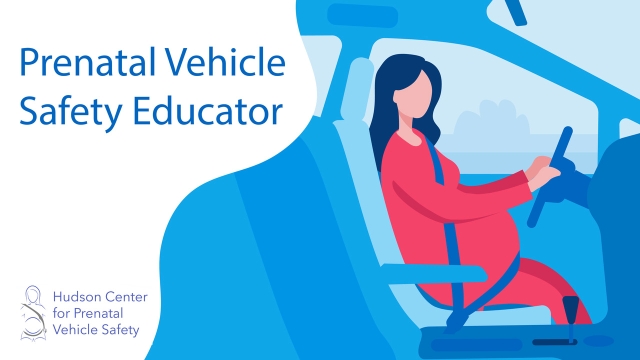
In November, Safe Kids Worldwide (SKW) adopted a prenatal vehicle safety (PVS) enrichment training as one of its official endorsement programs, joining the CPS on School Buses and Safe Travel for All Children curricula. After a CPST completes the free, 1.5-hour PVS training, SKW will add Prenatal Vehicle Safety Educator as an endorsement on their CPST profile page. Attendees also earn 1.5 CEUs toward recertification.

Read More from “SKW Adds a Prenatal Vehicle Safety Endorsement to CPST Certification”

What’s That Sticker? BSA Adds CRs to Longstanding Verification Program

From now on, don’t be surprised to see this new sticker on some CRs

In August, Baby Safety Alliance (BSA) announced it has expanded its product verification program to include CRs for the first time. Although recently renamed Baby Safety Alliance Verified, the program has operated for nearly 50 years under its former Juvenile Products Manufacturers Association name.

Read More from “What’s That Sticker? BSA Adds CRs to Longstanding Verification Program”

A Crash Survivor and CPST Pays It Forward

Delightful book Francie and Fitz Booster Buddies is Harty's latest effort to promote child safety

Jenny Harty found her passion for promoting CPS the hard way: On July 1, 2002, her family was involved in a serious hit-and-run crash with a logging truck. The first responders and doctors who tended to her 5-year-old daughter, Madison, assured Harty that her daughter was alive thanks to proper booster use.

Read More from “A Crash Survivor and CPST Pays It Forward”

NHTSA’s Recall List Format

Recall list options remain available from NHTSA.gov, other organizations

Readers should note a change in the format of recall information provided by NHTSA, which was brought to SRN’s attention by Sixtus Dominguez, CPST Proxy of the Albuquerque Area Indian Health Board Inc. (AAIHB) and Albuquerque Area Southwest Tribal Epidemiology Center (AASTEC) Tribal Injury Prevention Program (TIPP).

Read More from “NHTSA’s Recall List Format”

NHTSA Issues Rule to Improve LATCH Usability

In January, NHTSA issued a final rule to improve the usability of the LATCH system. To read the rulemaking document, click here or search Docket No. NHTSA-2024-0089 at www.regulations.gov.

Most aspects of the new rule apply to FMVSS 225, directing vehicle manufacturers to further standardize several aspects of lower anchors (LAs) and tether anchors (TAs). The rule also includes a few new requirements for CRs and will amend the upcoming FMVSS 213b.

Read More from “NHTSA Issues Rule to Improve LATCH Usability”

Rule Upgrade Requires a Rear Seat Belt Warning System

Final rule marks the first time that belt status warnings will be required for passengers in front and rear seats

In December, NHTSA updated FMVSS 208, Occupant Protection Systems, to require a seat belt use warning system for rear seats. The agency also updated the existing requirements for the driver’s belt warning by extending the duration of the audio and video warnings, and it applied the driver-seat requirements to the front passenger seat.

Read More from “Rule Upgrade Requires a Rear Seat Belt Warning System”